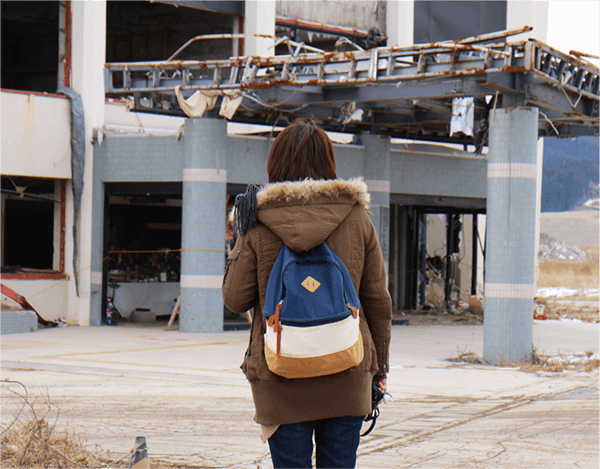
The devastating Great East Japan Earthquake struck on March 11, 2011. With financial support from BASF SE, a German chemical company, UNESCO initiated the “Bringing Back Smiles Project” to aid the post-earthquake restoration. This project spans various fields, and the University of the Sacred Heart took on the task of “creating open spaces” in disaster-affected areas.
Two years following the tragedy, although the support from UNESCO ended, the Madeleine Sophie Center in our University took over its role in the post-earthquake restoration project in Rikuzentakata City, Iwate Prefecture. Rikuzentakata was one of the areas most severely impacted by the earthquake and tsunami. Students of the University of the Sacred Heart regularly volunteered as “play supporters,” visiting the city to engage with children who had lost opportunities to spend time with their friends.
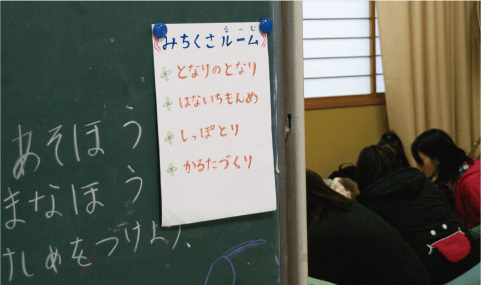
【Michikusa Room】
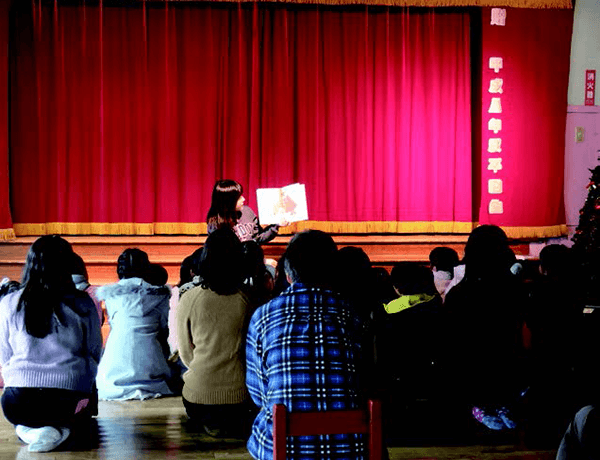
One of the support initiatives led by a non-profit organization P@CT focuses on creating safe spaces where children, who have lost their places to gather, can freely play and express their emotions. These activities were carried out regularly in collaboration with volunteers, and students from our university actively participated in this project.
【The Moving Tanabata Festival】
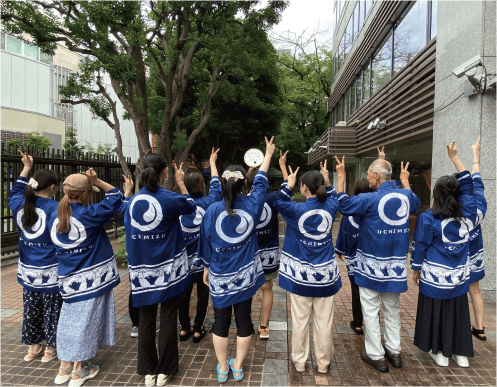
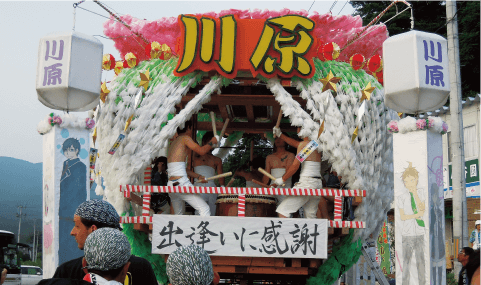
“Moving Tanabata” is a traditional summer event in Takata City, originally held to honor the spirits of ancestors. Today, it also serves as a memorial for the victims of the Great East Japan Earthquake and an expression of gratitude for the post-earthquake restoration efforts. At the festival, each community group in the city makes their own unique Matsuri float (“Dashi”), and parades through the city by enthusiastically shouting, “Yo-i-yoi!”. Although most of the Matsuri floats were lost in the earthquake, the community remains strongly driven to preserve this tradition by continuing to build new Matsuri floats and reviving the community. Today, beautifully and gorgeously decorated Matsuri floats are being paraded through the rejuvenated streets.
Source: Rikuzentakata City Tourism Official Website / Takata Tabi Navi






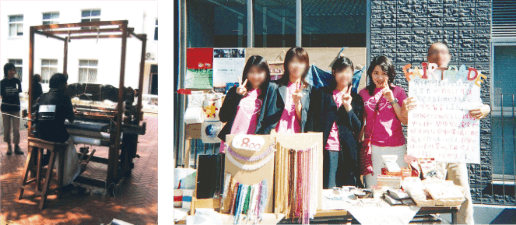






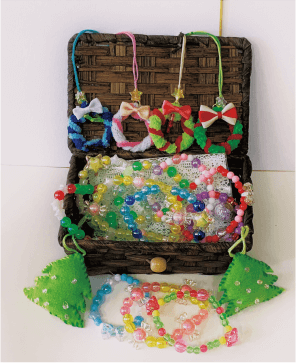

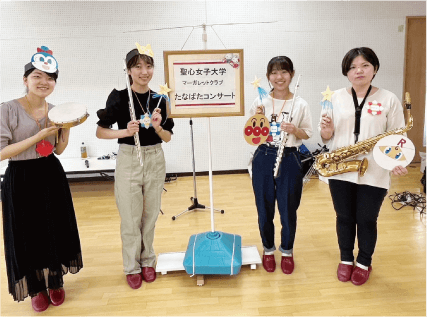
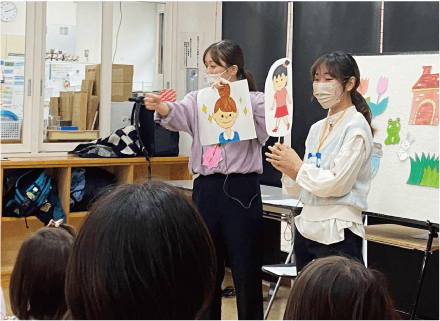
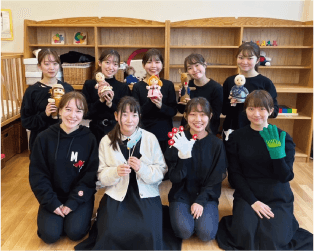

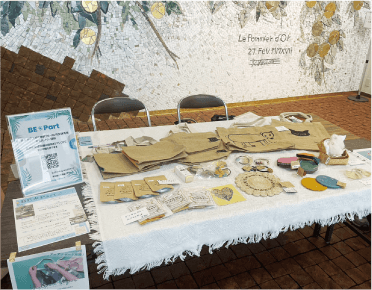
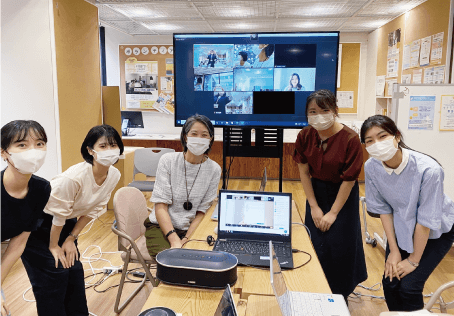
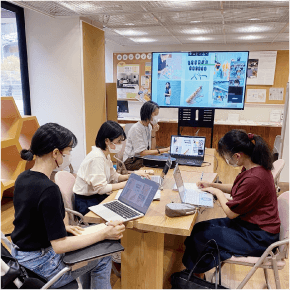


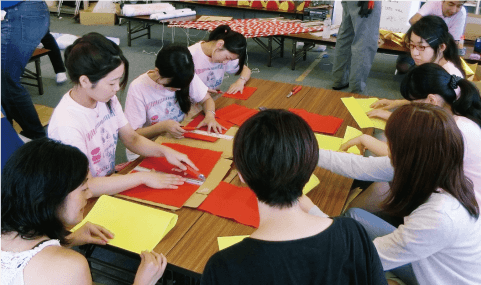


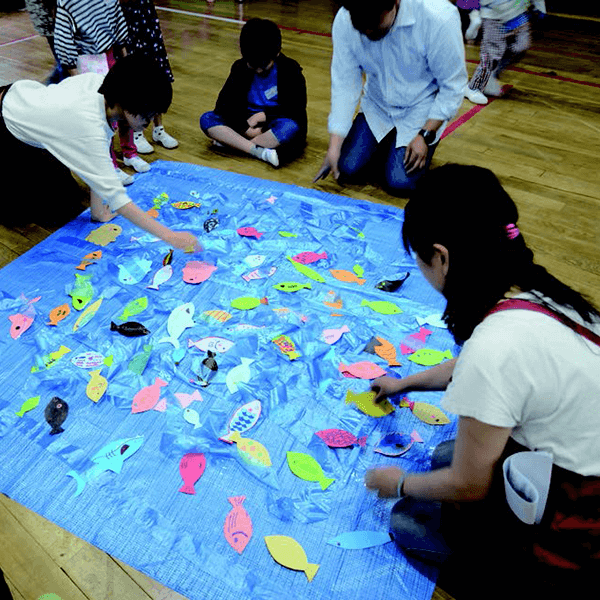
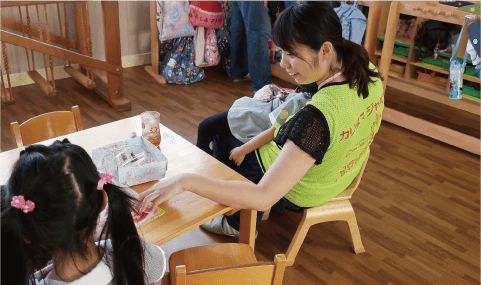
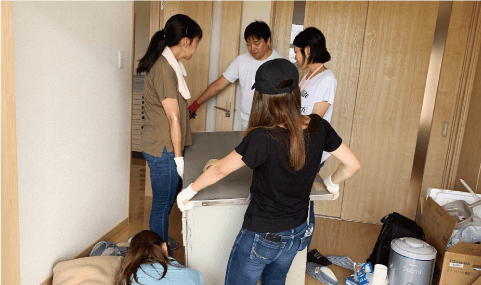
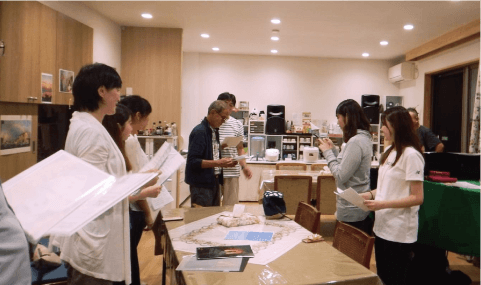






Not long after the Great East Japan Earthquake, we received a message from UNESCO that they would like the university students to contribute to supporting education for children in disaster-stricken areas. This was the start of the “Bringing Back Smiles Project”. Afterward, the UNESCO staff visited these areas and the University of the Sacred Heart decided to support Rikuzentakata City (located in Iwate Prefecture). Ever since the start of this project, students and staff have gone to Rikuzentakata City on an overnight bus called Kesen Liner to provide seasonal fun activities to the children. True to the name of the project, they provided lots of “smiles”. Looking back, due to various financial limitations, everything was hand-made. As seen in the photo, the “Furatto Hiroba”(A plaza where you can stop by on a whim) made in the temporary library was made by Sacred Heart students along with local children and staff where they placed metallic material one by one. Until the new library was made, the space which looked rugged but somehow stylish provided many smiles to the local people.
Professor Yoshiyuki Nagata, Department of Education